Understanding the classification of residential properties is essential for property owners and investors in Burnaby, BC. One common question that arises in real estate circles is: “Is a townhouse considered a multi-unit?” The answer is nuanced and depends on how the property is structured, managed, and utilized. Beyond classification, knowing whether a townhouse qualifies as a multi-unit property is crucial when planning renovations, upgrades, and multi-unit property transformation strategies.
What Defines a Multi-Unit Property?
A multi-unit property is typically defined as a building or development that contains two or more separate residential units. These units can be rented out individually or occupied by different families or tenants. Multi-unit properties often include:
-
Duplexes, triplexes, or fourplexes
-
Condominiums with multiple units under a single structure
-
Townhouse complexes with shared ownership or management
The key characteristic is that there are multiple, distinct living spaces within one building or development, each capable of independent occupancy.
Townhouses and Multi-Unit Classification
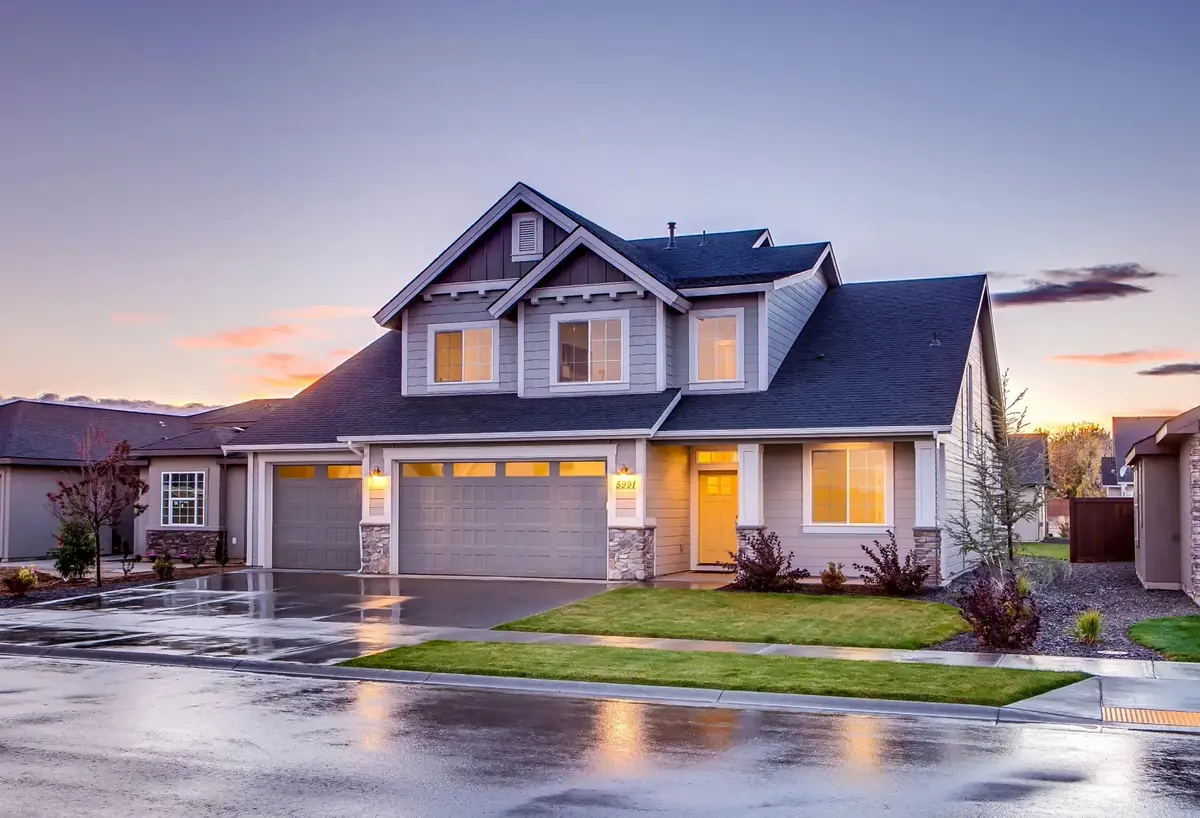
Townhouses are often a hybrid case. They are individually owned units that share walls with neighboring homes but typically have their own entrances, utilities, and sometimes separate yards.
Single Ownership Townhouses
If a townhouse is individually owned and not subdivided into multiple rental units, it generally does not classify as a multi-unit property. In this scenario, the unit functions like a single-family home, and renovations are typically focused on individual living spaces rather than shared infrastructure.
Townhouse Complexes
When townhouses exist within a larger development, they may be considered multi-unit from a property management or investment perspective. Factors include:
-
Shared amenities such as gyms, playgrounds, or common areas
-
Joint maintenance and repair responsibilities
-
Multi-unit ownership within a single complex
In these cases, upgrades to shared facilities and common infrastructure fall under multi-unit property transformation strategies.
Renovation Strategies for Townhouses in Multi-Unit Settings
Understanding whether a townhouse counts as a multi-unit is essential for planning renovations. If you’re dealing with a townhouse in a complex, your renovation strategies can focus on both individual units and shared spaces.
Interior Upgrades
Even when individually owned, interior renovations can significantly increase property appeal and tenant satisfaction:
-
Modern kitchens and bathrooms
-
Flooring and lighting updates
-
Energy-efficient appliances
-
Smart home systems
Common Area Enhancements
For townhouses in managed complexes, improvements to shared spaces can enhance overall property value and community satisfaction:
-
Landscaped courtyards or green spaces
-
Updated clubhouse or meeting areas
-
Shared laundry or parking facilities
-
Security upgrades such as gates and cameras
Energy Efficiency and Sustainability
Investing in energy-efficient systems benefits both individual owners and the complex as a whole. Consider:
-
High-efficiency HVAC systems
-
LED lighting for shared areas
-
Water-saving fixtures in common bathrooms and units
-
Solar panels or renewable energy integration
By addressing both individual and shared spaces, townhouse complexes can achieve meaningful multi-unit property transformation without extensive structural changes.
Planning a Townhouse Multi-Unit Transformation
Strategic planning is key to successful upgrades in townhouse complexes. Consider the following approach:
Step 1: Property Assessment
Conduct a thorough assessment of the property to determine where renovations will have the most impact. Evaluate:
-
Structural integrity of units and shared spaces
-
Energy efficiency of heating, cooling, and lighting systems
-
Safety compliance and accessibility needs
-
Community amenities and tenant expectations
Step 2: Set Renovation Priorities
Focus on improvements that deliver tangible benefits for tenants and owners, such as:
-
Upgrading kitchens and bathrooms for modern appeal
-
Renovating common areas to encourage community engagement
-
Implementing energy-saving technologies to reduce operating costs
-
Enhancing security and accessibility for residents
Step 3: Budget and Timeline Planning
Proper budgeting ensures renovations stay on track and within financial expectations. For townhouse complexes, consider:
-
Allocation of funds between individual units and shared spaces
-
Scheduling renovations to minimize disruption
-
Coordinating with property management or owners’ associations
Step 4: Execute Renovations Strategically
Hire professional contractors experienced in multi-unit projects to ensure work is completed efficiently and to high standards. Clear communication with tenants is essential to maintain satisfaction during construction.
Townhouse Renovation Impact on Multi-Unit Property Transformation
The chart below illustrates the potential impacts of different renovation types on townhouse complexes:
This chart shows how a thoughtful mix of interior, shared, and energy-related improvements can drive multi-unit property transformation in townhouse settings.
Long-Term Benefits of Townhouse Renovations in Multi-Unit Contexts
Investing in renovations for townhouses within multi-unit settings offers several benefits:
-
Enhanced Tenant Retention: Modern, functional spaces keep residents satisfied and reduce turnover.
-
Lower Maintenance Costs: Energy-efficient systems and updated infrastructure reduce long-term expenses.
-
Improved Marketability: Renovated units and shared amenities make the complex more attractive to potential buyers or tenants.
-
Sustainable Investment Growth: Well-maintained properties with upgraded features hold value and appeal for years to come.
By applying multi-unit property transformation principles, townhouse complexes in Burnaby can achieve strong returns and create better living environments.
Your Investment Growth Begins with a Conversation
For townhouse owners and investors in Burnaby, BC, Canyon Property Projects provides expert guidance on multi-unit property transformation. From interior unit upgrades to shared space renovations, their team ensures every project enhances tenant satisfaction and maximizes property potential.
Reach out to Canyon Property Projects in Burnaby, BC at (778) 652-3300 or email [email protected] to discuss your next renovation project. Their expertise helps property owners make informed, strategic decisions with lasting results.
Understanding whether a townhouse counts as a multi-unit property is essential for planning renovations and upgrades. By evaluating the structure and management of the property, investors and owners can implement strategic improvements that enhance tenant satisfaction, improve property value, and achieve meaningful multi-unit property transformation in Burnaby, BC.