
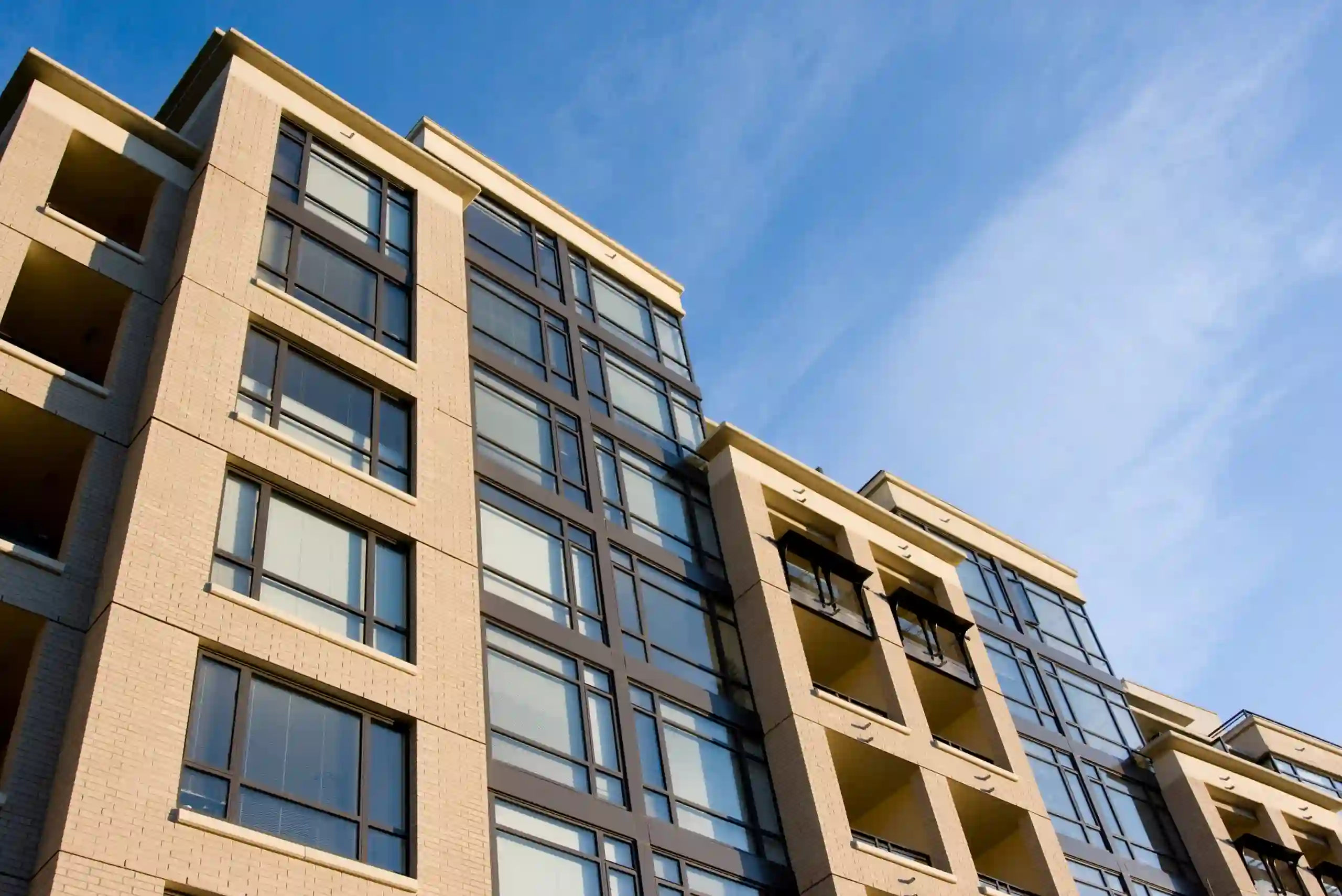
“Multi-unit” describes any property that contains more than one self-contained home or commercial space within a single building or connected structure. Each unit functions independently, even though the units share a roof, systems, and common areas.
Basic definition
A multi-unit property is a building designed to house multiple separate units under one structure. Each unit typically has its own entrance, interior layout, and services such as a kitchen and bathroom, but the building envelope, main systems, and shared spaces connect them.
This term is widely used in real estate, construction, and property management because it covers many different building types without tying the definition to a single zoning label or design style.
Common multi-unit examples
Multi-unit properties can look very different from one another, but they all share the same core idea: more than one unit within one overall building or complex.
Typical examples include:
- Duplexes and triplexes with two or three homes side by side or stacked.
- Townhouse rows or clusters that share walls but have separate front doors.
- Apartment buildings with multiple rental suites under one ownership.
- Condominium towers or low rises where each unit is individually owned.
- Mixed-use buildings with ground-floor commercial units and residential units above.
The exact structure may vary, yet the defining feature stays the same: multiple units exist within one building or set of attached buildings.
How multi-unit affects ownership
“Multi-unit” does not just describe layout; it shapes how the property is owned and managed.
Key points include:
- Shared components
Roofs, exterior walls, hallways, lobbies, elevators, parking, and landscaping are typically shared. Responsibility for these elements is often collective. - Common systems
Many multi-unit buildings share plumbing mains, heating systems, electrical risers, and fire protection. Work on these systems affects multiple units at once. - Collective decisions
In strata and condo settings, repairs and upgrades for common property are usually decided by a council or board, based on budgets and long-term plans.
This means that major improvements are often planned at the building level rather than unit by unit, especially when they involve exterior or mechanical work.
Why multi-unit matters for renovations
For owners, strata councils, and contractors, knowing a property is multi-unit changes how renovation projects are planned.
Renovations in multi-unit buildings must consider:
- Access through shared corridors, lobbies, and elevators.
- Scheduling work to minimize disruption across many households or businesses.
- Coordinating with property managers and councils for approvals.
- Ensuring changes align with building standards and bylaws.
- Protecting the building envelope and shared systems during work.
Upgrades such as repiping, lobby improvements, hallway refits, or envelope restoration often happen as part of coordinated building-wide projects. That coordination is one of the main differences between multi-unit work and renovations in single detached homes.
Multi-unit and long-term value
Multi-unit properties can offer strong long-term value when they are maintained and upgraded systematically. Because many units share one structure, improvements to common areas and building systems can benefit every resident and every owner at once.
Thoughtful multi-unit planning can:
- Improve comfort and safety across the building.
- Support better energy efficiency and lower operating costs.
- Make the property more attractive to buyers, renters, and investors.
- Help avoid fragmented repairs that cost more over time.
For strata councils and building owners, a clear multi-unit strategy turns complex projects into manageable, phased work.
FAQ
**Does “multi-unit” only apply to residential buildings?**No. It applies to any building with more than one unit, including commercial, residential, and mixed-use properties.
**Is a duplex considered a multi-unit property?**Yes. A duplex has two separate units within one building and fits the definition of multi-unit.
**Are condos and apartments both multi-unit?**Yes. The layout is similar; the main difference lies in ownership and how the units and common property are governed.
**Does being multi-unit affect renovation approvals?**Usually. Work that touches common property, shared systems, or the building envelope often needs formal approval.
**Can a single-family home be multi-unit?**A typical single-family home is not multi-unit unless it has been legally converted to contain multiple independent dwellings.
Plan your replacement
REPLACE POLY-B WITH CONFIDENCE
If your strata building still has Poly-B plumbing, Canyon Property Projects can help you plan a repiping project that protects suites, common areas, and long-term value.
Visit Canyon Property Projects at 3025 Lougheed Hwy #430, Coquitlam, BC V3B 6S2
Phone: (604) 332-6792
Email: [email protected]
Book your consultation today and start planning a safer, more reliable plumbing system for your building.