A strata building needs restoration when ongoing repairs, visible damage, and rising costs suggest that the exterior or key systems are failing. Early recognition helps councils plan upgrades before minor issues become major liabilities.
Increasing repairs and complaints
One of the first signs is a steady rise in maintenance calls and complaints from owners and residents.
Common patterns include:
- More frequent leaks in walls, ceilings, or balconies.
- Repeated caulking or patching around windows and doors.
- Ongoing complaints about drafts, noise, or moisture.
- Recurrent repairs to the same areas year after year.
When repairs become routine rather than occasional, it often means the building envelope or related systems are wearing out.
Visible exterior damage
Exterior clues are usually easy to spot during a walk around the property.
Look for:
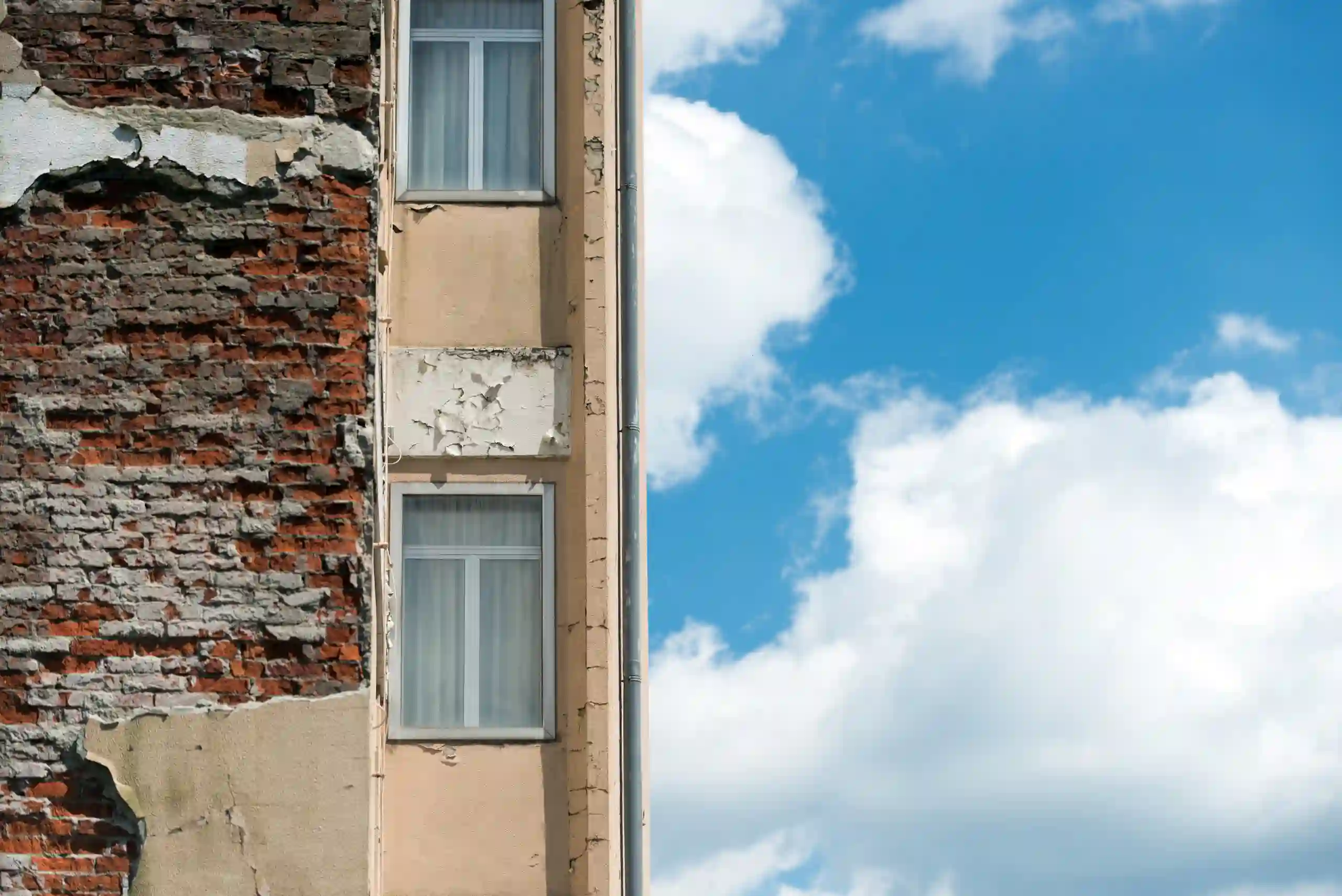
- Cracked or bulging stucco, siding, or masonry.
- Peeling paint or blistering finishes.
- Rusted or loose flashings around windows, doors, and roof edges.
- Stained or deteriorated soffits and trim.
- Rot or soft spots in wood elements.
- Cracked or spalling concrete on balconies, stairs, or planters.
These signs indicate that moisture and weather are affecting the building faster than simple maintenance can manage.
Moisture and mould issues
Persistent moisture problems are a strong warning sign.
Typical indicators include:
- Water stains on interior ceilings or walls.
- Mould growth in corners, bathrooms, or near windows.
- Damp or musty odours in hallways or suites.
- Warped flooring or baseboards near exterior walls.
If moisture appears in multiple locations, the root cause is often the building envelope rather than isolated plumbing leaks.
Roof and drainage concerns
Roof and drainage issues often go hand in hand with envelope problems.
Signs include:
- Frequent roof repairs or new patches every few years.
- Ponding water on flat roof areas.
- Overflowing or clogged drains and gutters.
- Water entry at roof penetrations such as vents or skylights.
When roof work becomes a regular budget item, it may be time to consider a full replacement or coordinated envelope restoration.
Rising costs and insurance pressure
Financial and insurance trends can also signal the need for restoration.
Watch for:
- Increasing maintenance and repair costs year over year.
- Higher insurance premiums or deductibles.
- Insurers requesting condition reports or demanding repairs.
- Difficulty obtaining quotes or coverage without major work.
When insurance and operating costs climb together, it often reflects the building’s overall risk profile rather than isolated incidents.
Energy and comfort problems
Older or failing envelopes often struggle with energy efficiency and comfort.
Owners may notice:
- Drafty suites and common areas.
- Uneven heating or cooling.
- Higher utility bills with no clear cause.
- Condensation on windows or cold spots on walls.
These issues point to air leakage, poor insulation, or compromised exterior systems that restoration can address.
FAQ
**How do I know if my strata needs restoration or just repairs?**If repairs are frequent, widespread, or tied to the exterior envelope, restoration is usually more cost-effective over time.
**Should we wait for leaks before acting?**No. Waiting for leaks often leads to more damage and higher costs. Early planning is preferable.
**Can restoration help with insurance?**Yes. Proactive restoration can improve the building’s risk profile and support better insurance terms.
**Do we need an engineer or consultant?**For many strata buildings, a professional assessment helps confirm the scope and prioritize work.
**How often should a strata inspect its exterior?**Regular annual checks plus periodic detailed inspections are common best practice.
Act before problems grow
Strata buildings that ignore early warning signs often face larger repairs, higher costs, and more disruption later. Addressing restoration needs sooner rather than later helps protect suites, common areas, and long-term value.
Plan your restoration with confidence
If your strata building is showing these signs, Canyon Property Projects can help you assess the situation, prioritize work, and plan a restoration strategy that protects your property and supports your reserve planning. Reach out to Canyon Property Projects today to discuss your building’s needs and explore practical solutions tailored to your strata.